Choosing Bedding Materials for Climate Comfort: Cotton, Linen, and Bamboo Compared
In the quiet hours of the night, the fabric against our skin writes a subtle passport of comfort. The right material can make the difference between a languid, humid slumber and a cool, restorative voyage through sleep. LuxBedding.co embarks on a practical exploration of three major bedding materials—cotton, linen, and bamboo—and asks: how do these fabrics behave when climate shifts, seasons change, and the body seeks balance? This is a guide not merely for shopping, but for understanding sleep through the lens of cloth, science, and daily lived experience.
Cotton
Cotton remains the everyday standard for softness, versatility, and easy care. Its natural fiber offers a familiar feel, broad availability, and a spectrum of weaves—from percale to sateen—that influence texture and breathability. In warmer climates, cotton can feel breathable and light; in cooler conditions, it can be layered with warming blankets for tactile comfort.
Linen
Linen is the seasonal workhorse for temperature regulation. Its natural breathability, high moisture-wicking, and quick-drying properties help the body stay comfortable in hot and humid environments. Linen softens with use but remains crisp in appearance, contributing to a cooler, more breathable sleep surface.
Bamboo
Bamboo fabric, often produced as viscose or a rayon blend, is celebrated for moisture management and a silky hand feel. It tends to be naturally breathable and soft, with a smooth surface that some sleepers find ideal for sensitive skin. Care considerations vary by manufacturing method, so reading the label matters.
The performance of bedding materials across climates hinges on three core properties: breathability, moisture management, and care requirements. Breathability relates to how easily air passes through the fabric, impacting heat buildup and sleep comfort. Moisture management concerns how well the fabric wicks away sweat and humidity, helping to keep the skin dry. Care requirements address how the fabric holds up to washing, drying, and wear over time. Together, these factors shape not only nightly comfort but the longevity of your sheets, duvet covers, and pillowcases.
Material-by-Material Deep Dive
Cotton: Softness with Seasonal Versatility
Cotton is a natural fiber that sits comfortably in the middle—soft, approachable, and widely available. The climate performance of cotton depends heavily on weave and finish. Percale—a plain weave—tends to feel crisp and light, promoting airflow and a cooler sleep in warm weather. Sateen, with its higher thread count and satin-like sheen, can feel more breathable than it appears and may offer a slightly warmer, more enveloping feel that some sleepers prefer in cooler months.
Key climate considerations for cotton:
- Breathability: Generally strong, especially in percale or open-weave constructions.
- Moisture management: Cotton fibers wick moisture, but performance varies with density and finishing chemicals.
- Care: Machine washable, typically durable with proper care; may wrinkle, depending on weave.
Linen: The Temperature Regulator
Linen emerges as the preferred material for hot, humid climates or for anyone who wakes with a damp neck or upper back. The fiber’s natural structure creates micro-gaps that allow air to circulate, promoting a cooling effect even as the night deepens. Linen’s moisture-wicking and quick-drying properties help the fabric feel less heavy as humidity spikes. While linen can feel stiffer when new, it softens over time with use and washing, revealing a relaxed, breathable texture that many sleepers come to prefer.
Key climate considerations for linen:
- Breathability: Exceptional; linen breathes well and dries quickly.
- Moisture management: Superior in damp environments, helping keep skin dry.
- Care: Linen can be wrinkly by design; it often benefits from gentle washing and air drying to preserve texture.
Bamboo: Moisture Management with a Silky Feel
Bamboo fabrics, frequently produced as viscose/bamboo rayon, offer a distinctive combination of softness and moisture management. The fibers can feel cooler to the touch and often drift toward a smooth, almost buttery hand. In warm climates, bamboo can be a compelling option for its ability to wick moisture away from the skin and maintain a light, breathable surface. However, the exact performance depends on the manufacturing process and fiber composition (e.g., bamboo viscose vs. bamboo lyocell).
Key climate considerations for bamboo:
- Breathability: Generally good, especially in blends that favor airy weaves.
- Moisture management: Notable moisture-wicking properties, contributing to dryness during sleep.
- Care: Some bamboo fabrics require gentler washing cycles; always follow label instructions to prevent shrinkage or damage.
Seasonal Strategy: Pairing Materials with Weather and Sleep Style
A thoughtful bedding strategy recognizes that climate is dynamic. A single material can serve many seasons when layered thoughtfully. For hot summers, linen sheets paired with a light duvet or cotton percale can yield a breezy, breathable sleep surface. In winter, layering a cotton or flannel sheet set with a cotton duvet cover can preserve warmth while maintaining a breathable base layer. For those who prioritize moisture management across fluctuating humidity, bamboo blends can provide a balance of softness and drainage, ensuring comfort without the heaviness of dense fabrics.
A practical approach to climate-conscious shopping involves focusing on weave, fiber origin, and care routines. Here are actionable guidelines:
- Test the weave: Percale for crispness and airflow; sateen for a softer, gentler drape; linen for texture and cooling.
- Consider blends: Cotton-linen blends can offer the best of both worlds—softness with breathability.
- Read care labels: Proper washing cycles extend life and reduce pilling or fiber distress, especially for linen and bamboo blends.
- Evaluate color and finish: Lighter colors reflect heat, darker tones can retain warmth; finishes like mercerization affect sheen and feel.
Evidence, Experience, and Everyday Sleep: The Human Element
Beyond fabrics, climate comfort touches physiology. Sleep science emphasizes body temperature regulation as a key component of sleep onset and quality. A cooler core temperature is associated with easier sleep initiation, while warm environments can disrupt deep sleep stages. Bedding, as the interface between skin and environment, plays a subtle but important role in how the body manages heat and moisture overnight. The right material can help settle the body into restorative rhythms, balancing softness with airflow and moisture management.
To illustrate these ideas through lived experience, we turn to three key individuals from different time periods who have, in their ways, shaped our understanding of comfort, design, and human physiology.
Hypatia of Alexandria (c. 350–415)
A thinker who sought the clarity of knowledge, Hypatia’s era reminds us of the value of rigor and inquiry. In the context of climate comfort, her spirit embodies the principle that understanding the mechanics of the natural world—air flow, humidity, temperature—can translate into better, more informed choices about fabrics and sleep environments. Her legacy invites readers to approach bedding with curiosity and a commitment to learning, rather than tradition alone.
Marie Curie (1867–1934)
A pioneer of scientific rigor and meticulous measurement, Curie’s approach inspires the way we think about sleep science in practical terms. Her insistence on empirical evidence echoes through the visible need for credible sources, material testing, and thoughtful interpretation of data when assessing how cotton, linen, or bamboo perform under varying climates.
Zaha Hadid (1950–2016)
A designer who transformed spaces with fluid clarity, Hadid’s work reminds us that material choice is inseparable from form and experience. In bedding, this translates to a premium feel that still respects function—soft textures that don’t impede airflow, lines that fit modern bedrooms, and an editorially calm aesthetic that invites readers to dwell in comfort and clarity.
Practical Buy Guide: What to Look For Right Now
If you’re translating these ideas into purchases today, consider prioritizing the following factors as you compare materials:
- Seasonal strategy: If you live in a climate with hot summers and cool winters, look for versatile options (e.g., cotton percale in summer, linen or cotton blends in shoulder seasons).
- Weave and weight: Lighter weaves promote airflow; denser weaves offer softness and warmth. Test the balance that suits your sleep posture and preferences.
- Care and longevity: Linen may require different washing habits than cotton; bamboo fabrics often have specific care guidance to preserve the fiber integrity.
- Allergies and sensitivity: Natural fibers are typically favored for those with irritations; verify any finishes or dyes that could affect sensitive skin.
A Product Introduction: The Clean Bedroom Level 4 Adjustable Bed Base
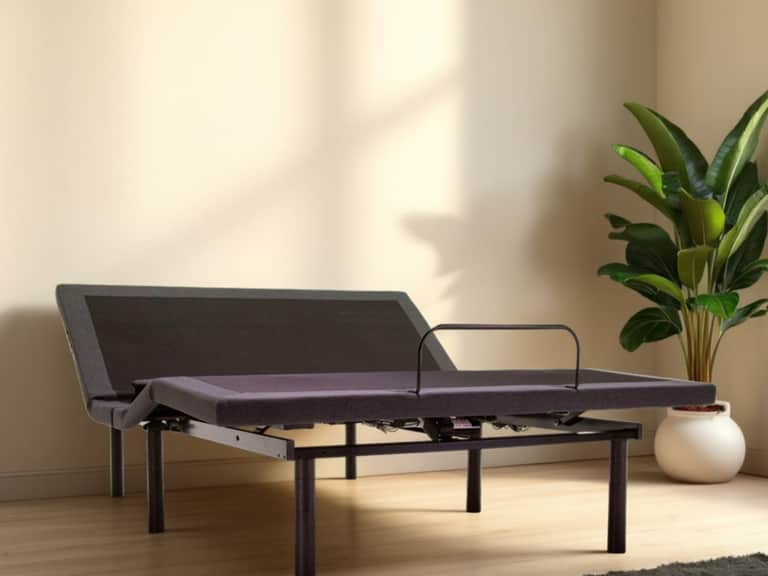
While bed bases are not textiles, the bed setup is a critical partner to your fabric choices. A well-designed adjustable base can enhance climate comfort by enabling personalized positioning that reduces pressure points and optimizes airflow around the sleeping body. The Clean Bedroom presents a compelling option: The Clean Bedroom (Level 4) Adjustable Bed Base. This platform merges motorized control, massage, snore-detection, ambient lighting, and presets to support a refined, restful night. It’s a reminder that quality sleep rests at the intersection of materials, design, and technology, where a thoughtfully crafted base can complement the feel of your sheets and duvet covers.
Product Highlight
The Clean Bedroom (Level 4) Adjustable Bed Base
Experience customizable support with independent head, foot, and lumbar adjustments, VibraSense massage, Zen Mode, and ambient underbed lighting.
Price: $2,099.00 • Availability: In stock
Short description: An advanced sleep system designed to elevate comfort and relaxation with programmable presets and smart snore detection.
SKU: CUSO
ID: 1223
Resources, Glossary, and Accessibility
LuxBedding.co aims to be a credible, accessible resource. To support readers who seek quick references, we offer a concise glossary of terms and a resource page with citations where applicable. You’ll find definitions for thread count, GSM, fill power, percale, sateen, and other terms that often appear in bedding discussions. The goal is to empower informed decisions that balance comfort, climate, and care with editorial independence.
If you’re exploring a non-commercial, educational approach to bedding, consider bookmarking this page as a reference for climate-conscious textile choices. The recommendations here are not endorsements of specific products beyond illustrative examples intended to illuminate how materials behave under real-world conditions. For readers who want a purely informational stance, the guide stays anchored in science, experience, and careful craft.
Note: The above guidance references core materials commonly found in bedding in the market and uses illustrative product context to anchor practical decision-making without implying endorsement. Always verify fabric composition, care instructions, and climate suitability for your specific environment.