Blankets and quilts are essential foundations for comfort and temperature regulation across seasons. This category highlights material choices, weave structures, and thickness variations that influence warmth, breathability, and durability. Understanding the differences helps align textiles with sleep preferences, room climate, and layering practices for optimal comfort.
Common blanket materials include cotton, wool, and synthetic blends, each offering distinct warmth retention, softness, and washability. Quilts, often composed of a fabric exterior, a light batting, and a decorative stitching pattern, provide lightweight insulation and a timeless aesthetic. Knowledge of fiber content supports informed decisions for sensitive skin and allergy considerations.
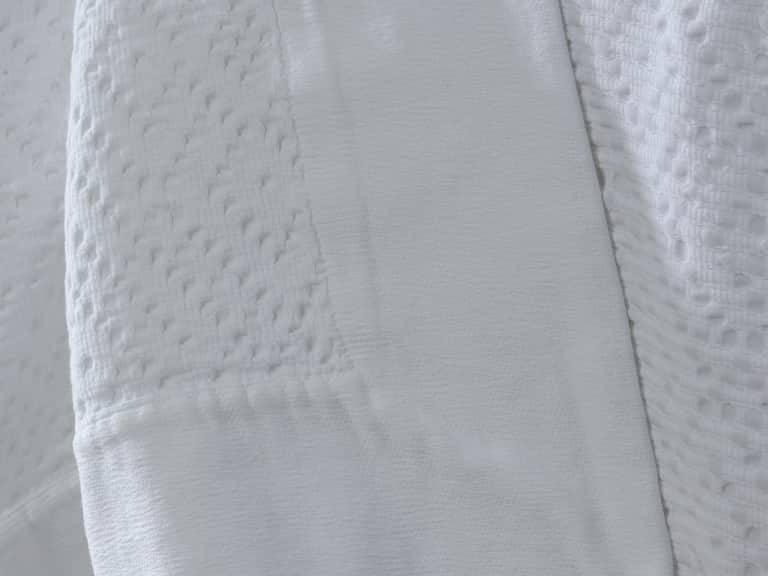
Tex Bedcover showcases a model of practical design features such as edge finishing, stitching density, and fiber quality that affect drape, crease resistance, and durability. The Free New Bedcover demonstrates versatility with a reversible or multi-season approach, enabling simple adjustments to comfort levels without compromising fabric integrity or colorfastness.
In daily use, blankets and quilts function as layering pieces to regulate microclimates during sleep. They can be paired with sheets, duvet covers, and breathable mattress toppers to maintain a stable sleep temperature. Features like machine washability, hypoallergenic finishes, and breathable weaves contribute to long-term usability and care efficiency.
For health-conscious and comfort-focused households, selecting textiles that align with bedding goals—bedding compatibility, colorfast performance, and sustainable sourcing—supports consistent night-long rest. By examining product construction and functional benefits, you can appreciate how different blankets and quilts integrate with organic mattresses and broader sleep wellness strategies.
 Bedding