Latex, derived from rubber tree sap, offers a responsive and supportive foundation for sleep surfaces. In bedding contexts, latex products such as pillows and mattresses prioritize durability, hypoallergenic properties, and temperature neutrality, making them suitable for diverse sleep preferences. Understanding latex's elasticity helps explain how pressure is distributed to reduce point discomfort and support spinal alignment.
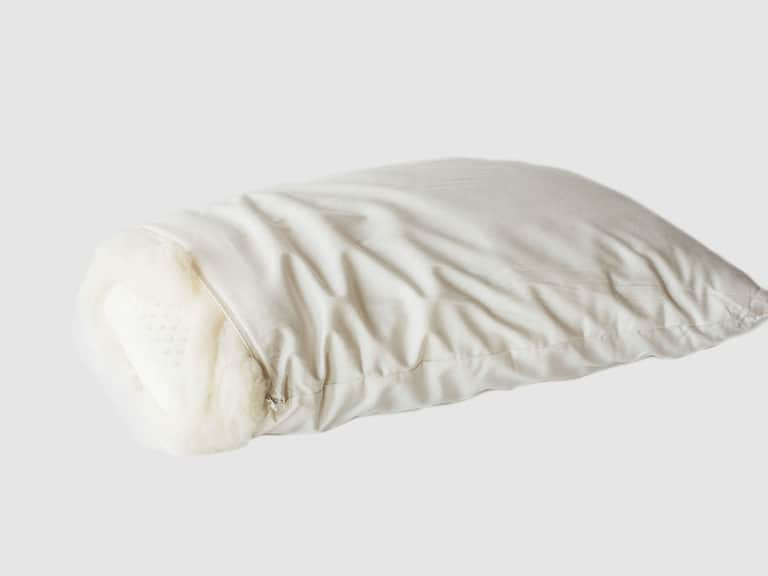
Natural Wool-Wrapped Latex Bed Pillows illustrate how layering materials enhances comfort and function. The combination of latex core with a wool wrap provides resilience, breathability, and moisture-wicking performance, contributing to an inhospitable environment for dust mites. This construction supports consistent head and neck positioning across different sleep positions.
Key features of latex-based bedding include adjustable firmness, rapid recovery, and conforming support without excessive contouring. This balance aids in maintaining neutral spinal alignment while alleviating pressure points at the shoulders and hips. The breathability of latex, often augmented by wool wraps, helps regulate temperature throughout the night.
Organic and natural materials within latex bedding emphasize sustainability and hypoallergenic considerations. Wool-wrapped latex components can offer antimicrobial properties and a reduced tendency to trap allergens, supporting cleaner sleep surfaces. Understanding the interaction between latex, wool, and textile covers helps in selecting bedding designed for long-term comfort and health.
When evaluating latex products for a sleep environment, consider core density, pillow height, and the presence of natural fibers around the latex. The combination of latex’s elasticity with wool’s moisture management contributes to a stable, comfortable bed setup. Knowledge of these materials supports informed decisions about bedding that aligns with individual comfort and sleep goals.
 Bedding